How do I develop logical skills in c programming?
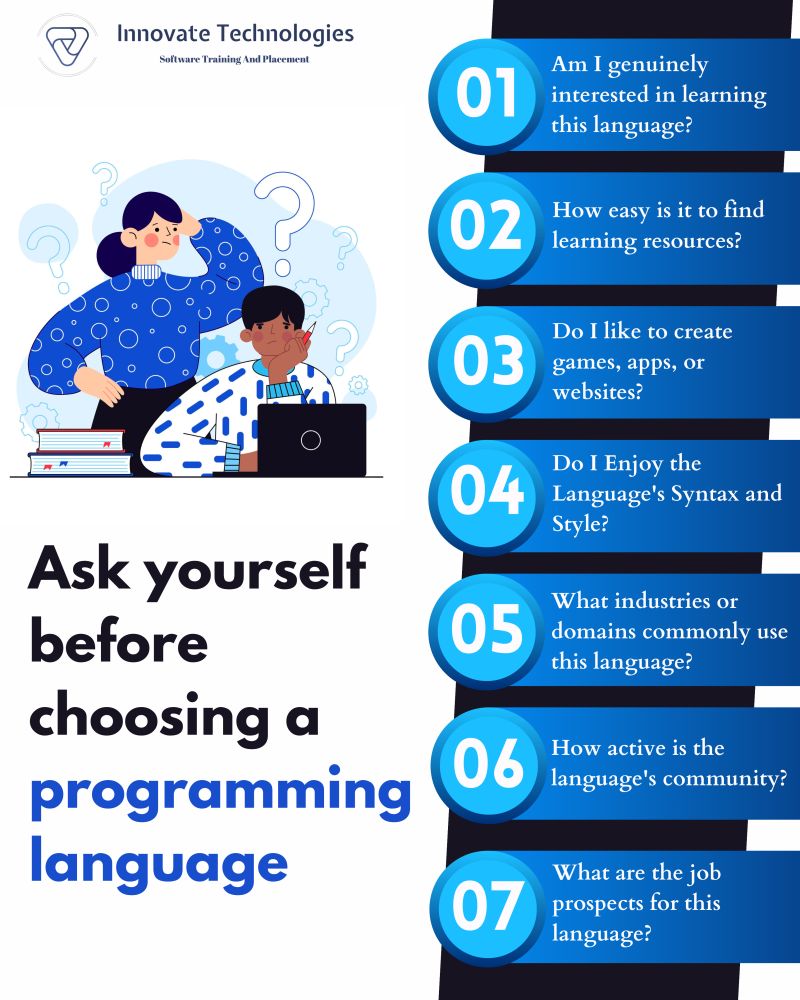
Developing logical skills in C programming involves practicing problem-solving, understanding algorithms, and learning to think critically about how to approach different programming tasks. Here’s a structured approach to improve your logical skills in C programming:
Understand the Basics: Ensure you have a solid understanding of the basic syntax, control structures (such as loops and conditionals), data types, functions, and arrays in C.
Practice Problem-Solving: Regularly solve programming problems. Websites like LeetCode, HackerRank, and CodeSignal offer a wide range of problems categorized by difficulty. Start with easier problems and gradually move to more challenging ones.
Break Down Problems: When faced with a problem, break it down into smaller, more manageable parts. Analyze the problem requirements, identify inputs and outputs, and think about the steps needed to solve it.
Algorithmic Thinking: Work on understanding and implementing various algorithms like sorting, searching, dynamic programming, etc. Understand the efficiency of different algorithms and when to use them.
Write Pseudocode: Before jumping into writing code, write pseudocode to outline your solution. Pseudocode is a high-level description of the logic of a program, without the exact syntax of a specific programming language.
Debugging Skills: Practice debugging your code when you encounter errors. Learn to trace the flow of your program, identify where things might be going wrong, and use debugging tools effectively.
Learn from Others: Study and analyze code written by experienced programmers. Reading and understanding well-written code can help you grasp different problem-solving techniques and improve your own coding style.
Experiment and Refactor: Once you have a working solution, experiment with different approaches and refactor your code to make it more efficient, readable, and maintainable.
Learn Data Structures: Understand common data structures like linked lists, stacks, queues, trees, and graphs. Knowing when and how to use these data structures can significantly improve your problem-solving abilities.
Challenge Yourself: Regularly challenge yourself with problems that push your limits. Don’t shy away from difficult problems, as they provide the best opportunities for growth.
Seek Feedback: Share your code with peers or online communities for feedback. Constructive criticism can help you identify areas for improvement and learn new techniques.
Continuous Learning: Keep exploring new concepts, techniques, and best practices in C programming. Stay updated with the latest trends and advancements in the field.
By following these steps and consistently practicing problem-solving, you can significantly enhance your logical skills in C programming. Remember that improving logical thinking takes time and patience, so don’t get discouraged by challenges along the way. Keep persevering, and you’ll see progress over time.
best it course institute in chennai
it training institute in chennai with placement
it course institute in chennai
top it training institute in chennai